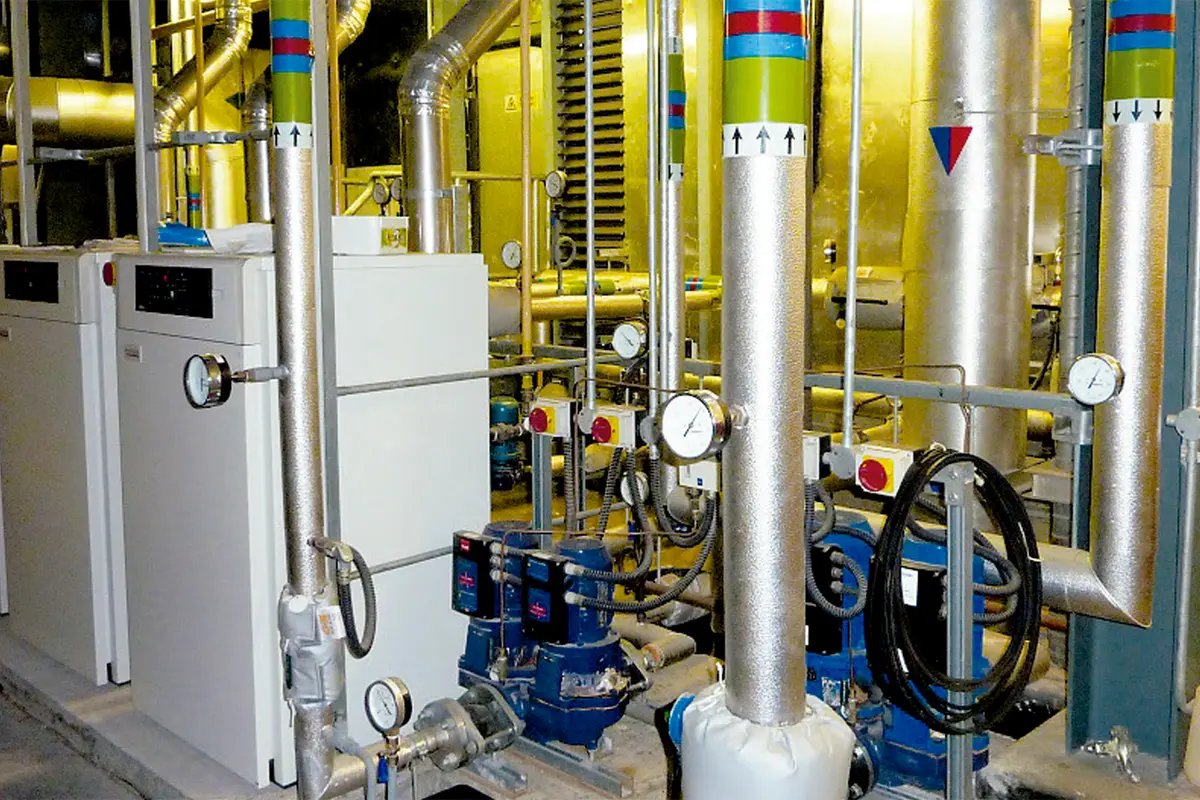
Even before performance issues or structural failures become apparent, remote heating and cooling monitoring allows for continuous tracking of thermal system conditions, identifying operational variations, the presence of dissolved oxygen, and other critical factors that impact the integrity of the facilities. With real-time data and preventive analysis, it is possible to anticipate risks, optimize operation, and reduce corrective interventions, ensuring greater reliability and efficiency for building systems.
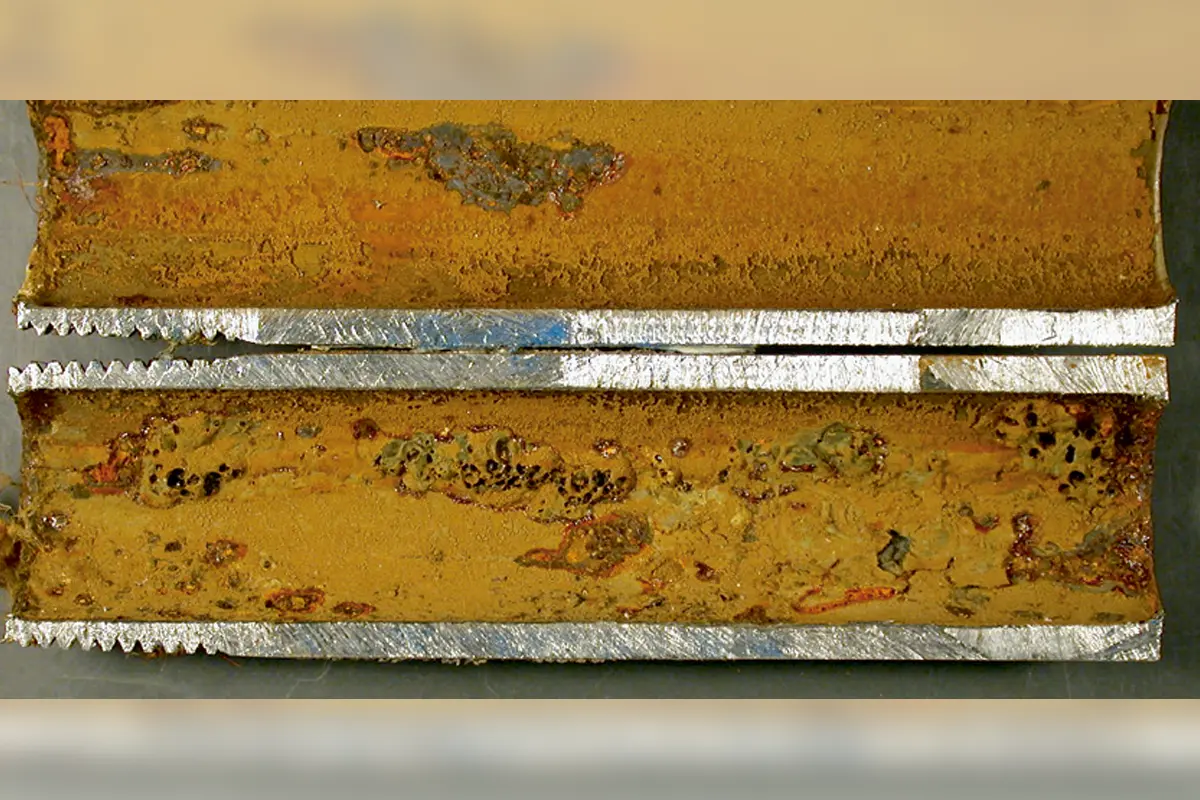
Hot and cold water systems are the foundation of all types of buildings. Furthermore, the water used to transfer heat or cold may be untreated or contain inhibitors, depending on the application. Therefore, technicians install steel or copper piping, while valves and heat exchangers use aluminum or brass. However, high oxygen levels accelerate the corrosion of metals, especially iron and steel, and compromise the system. This process leads to the need for cleaning, flushing, or replacements, which increase maintenance costs.
Benefits of remote heating and cooling monitoring
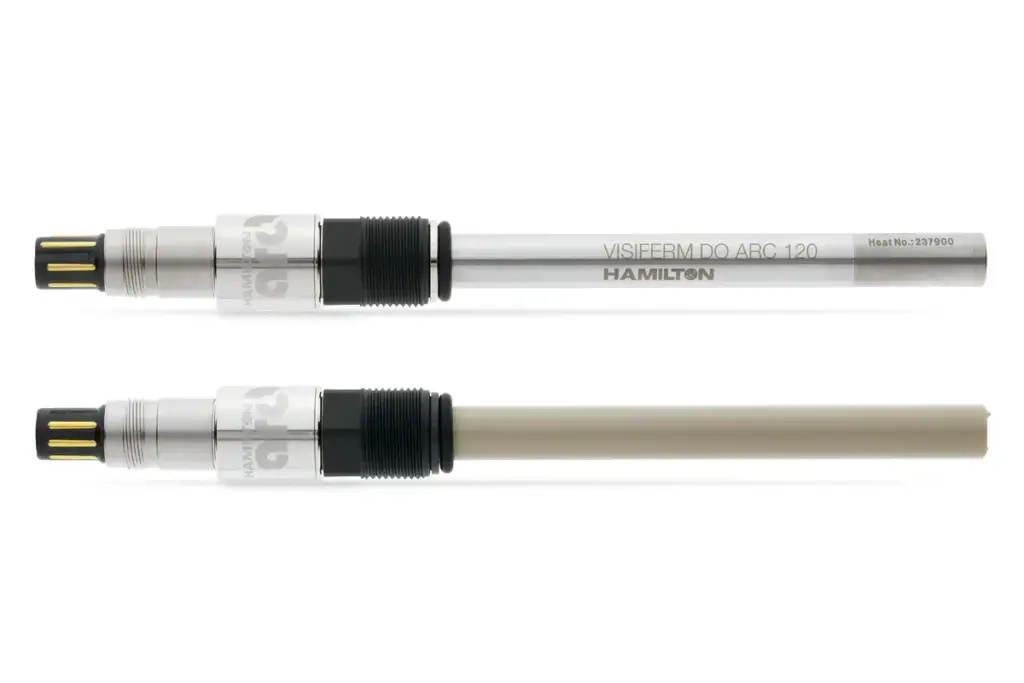
Hamilton sensors offer robust and stable readings, allowing the team to perform sporadic calibrations. Furthermore, these sensors operate without electrical interference from other equipment in the engine room, ensuring reliable data. Therefore, technicians can perform quick maintenance and benefit from the sensors' long lifespan. Another important point is that calibration becomes practical, as the sensor head stores the data directly.
For example, in hospitals, piping failures can close wards or postpone surgeries. However, monitoring dissolved oxygen and water conductivity prevents this type of damage. This allows staff to identify leaks, inadequate installations, or poor maintenance. At the same time, conductivity control keeps inhibitor concentrations within the optimal range, preventing corrosion and waste. This balance protects the system and maintains efficiency.
Get in touch with our team to implement remote monitoring of heating and cooling systems and protect your high-value assets.